

Where Does Ink Come From? | Beyond the Box
If you’ve ever wondered how the vibrant ink on your product packaging came to be, we’re here to break down the history of ink and the different types of printing inks we work with at noissue.
By noissue — 31 March, 2022
In the second installment of Beyond the Box, Ben gets into ink in a major way. We answer where ink came from, what it’s made from, and who ink thinks it is.
The history of ink
Who invented ink?
Ink has been around for over 4,500 years. It was independently invented by several ancient cultures, most notably the Egyptians and the Chinese, as the need to communicate and create grew stronger.
Most forms of early ink contained a mixture of organic pigments, such as lampblack (soot from burnt oils and resins), plants, and insects, combined with a binding agent like animal glue, fat, or gum.
Despite thousands of years of technological progression, ink’s basic makeup has always consisted of two key parts: a pigment (or dye) and a carrier (or vessel). The pigment provides the color, while the carrier is the medium that transfers it to a surface.
The origins of writing inks
The very first inks used readily available carbon-based pigments, such as soot or charcoal. One of the most enduring examples of this carbon black ink formula is India ink (also known as Chinese ink), made from finely ground soot mixed with water and a natural binder such as gum arabic.
By the Middle Ages, a different formulation had taken center stage in Europe: iron gall ink. Made by combining tannins extracted from oak galls with iron salts, it produced a bluish-black color that darkened as it oxidized. Because it bonded chemically to paper fibers, iron gall ink was remarkably durable—so much so that countless historical documents, from medieval manuscripts to the writings of Leonardo da Vinci, were created with it.
The introduction of printing inks
In the 15th century, Johannes Gutenberg revolutionized printing with his mechanical printing press and, with it, a new kind of oil-based ink. Unlike water-based inks used for handwriting, this viscous ink adhered to metal type, enabling faster, more durable printing. This breakthrough laid the foundation for the commercial printing industry.
Centuries later, the Industrial Revolution brought about the development of synthetic dye-based inks, beginning with the discovery of mauveine in 1856. These chemical pigments dramatically expanded the range of ink colors, leading to brighter, more consistent inks suitable for mass printing.
By the early 1900s, petroleum-based inks became the industry standard, prized for their quick-drying properties. But when oil prices surged during the 1970s energy crisis, printers began searching for more sustainable, cost-effective alternatives.
The role of sustainability in ink innovation
While petroleum-based inks are still widely used, particularly in commercial printing and newspapers, in recent decades, ink evolution has moved toward eco-friendly solutions, such as soy-, vegetable-, and water-based inks. These modern ink formulations offer vibrant colors and print performance while reducing volatile organic compounds (VOCs) and improving recyclability.
What is ink made out of today?
Modern inks are still made from the same basic principles as traditional inks: a colorant plus a carrier.
Color comes from pigments (insoluble particles that sit on the surface) or dyes (soluble molecules that penetrate the substrate). The carrier (water, vegetable oils, or petroleum) transfers the color onto paper, cardboard, and other packaging materials. Other additives improve flow and adhesion, offer quick drying time, and enhance the durability of the ink.
Today, many inks are made with sustainability in mind, using water-based or vegetable-based ink formulations that reduce environmental impact while still delivering vibrant, high-quality print—exactly the kind of eco-conscious ink noissue uses in custom packaging!
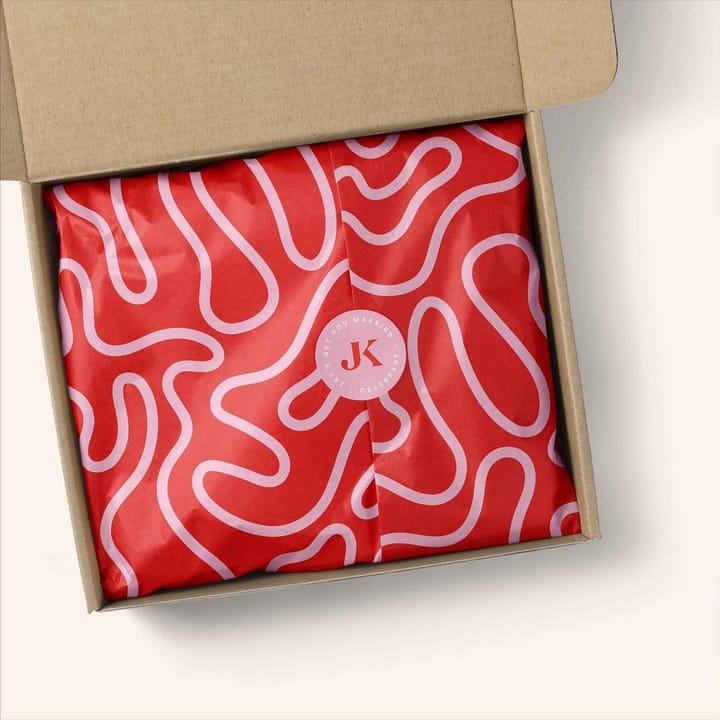
What printer inks does noissue use?
Soy-based ink
A popular type of vegetable-based ink, soy ink is an eco-friendly alternative to petroleum-based printer inks. It’s made with soybean oil, resins, and waxes, which offer a cleaner breakdown when paired with compostable and/or recycled materials. Soy ink packs a powerful punch in branding, its clear base producing vibrant colors while remaining eco-friendly.
Water-based ink
Water-based inks use water as the primary solvent, making them a sustainable choice. Unlike oil-based inks that sit on the surface, water-based inks soak into the material, bonding with fibers to create a natural, integrated finish. This reduces the need for harsh chemicals and makes the ink easier to recycle or compost along with the packaging. Water-based inks are ideal for printing on boxes, tins, and tote bags, where you want bright colours without compromising on eco-friendly materials.
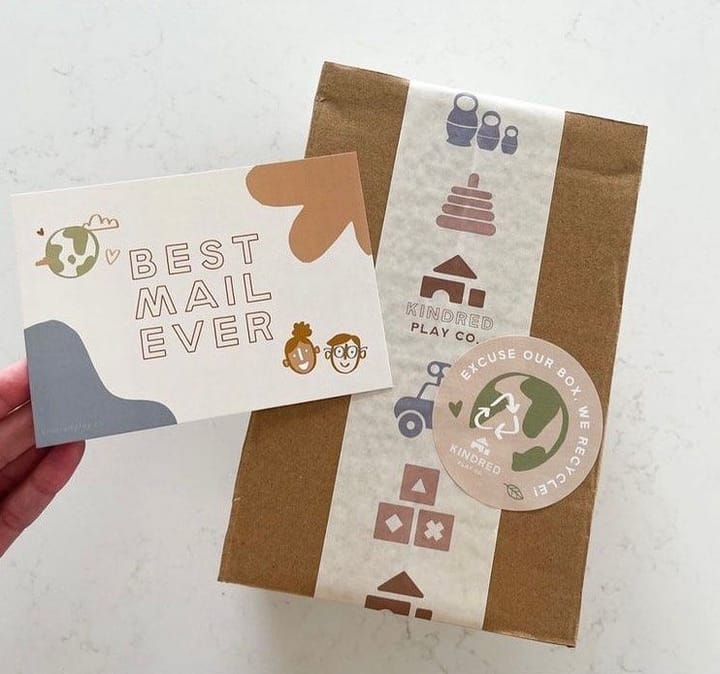
What noissue products feature eco-friendly inks?
At noissue, we take pride in helping big and small businesses around the world print packaging products with eco-friendly inks. In fact, most of our products are printed with our vegetable oil-based or water-based inks that make a big brand impact, just not an environmental one.
Whether you’re after mailers, tissue paper, tote bags, coffee pouches, boxes, or stickers, we’ve got custom packaging materials with bold, eco-friendly printing ink options so you can highlight your brand colors unapologetically.
That's a Wrap!
The history of ink is certainly fascinating, and its future is bright! Check out our custom, circular packaging products by category or industry and create the ultimate customer experience. And if you're looking for packaging made from better materials in wholesale quantities, we've got you covered over at noissue Plus.
As always, to stay on top of Beyond the Box as new episodes are released, don't forget to subscribe! And check out some shots from the shoot below.